


Business Technology
ERP vs Multiple Disconnected Business Tools
A POS here, an accounting package there, stock in Excel. When does the patchwork stop working, and is an ERP the right fix?
By Nexorra Digital · · 6 min read
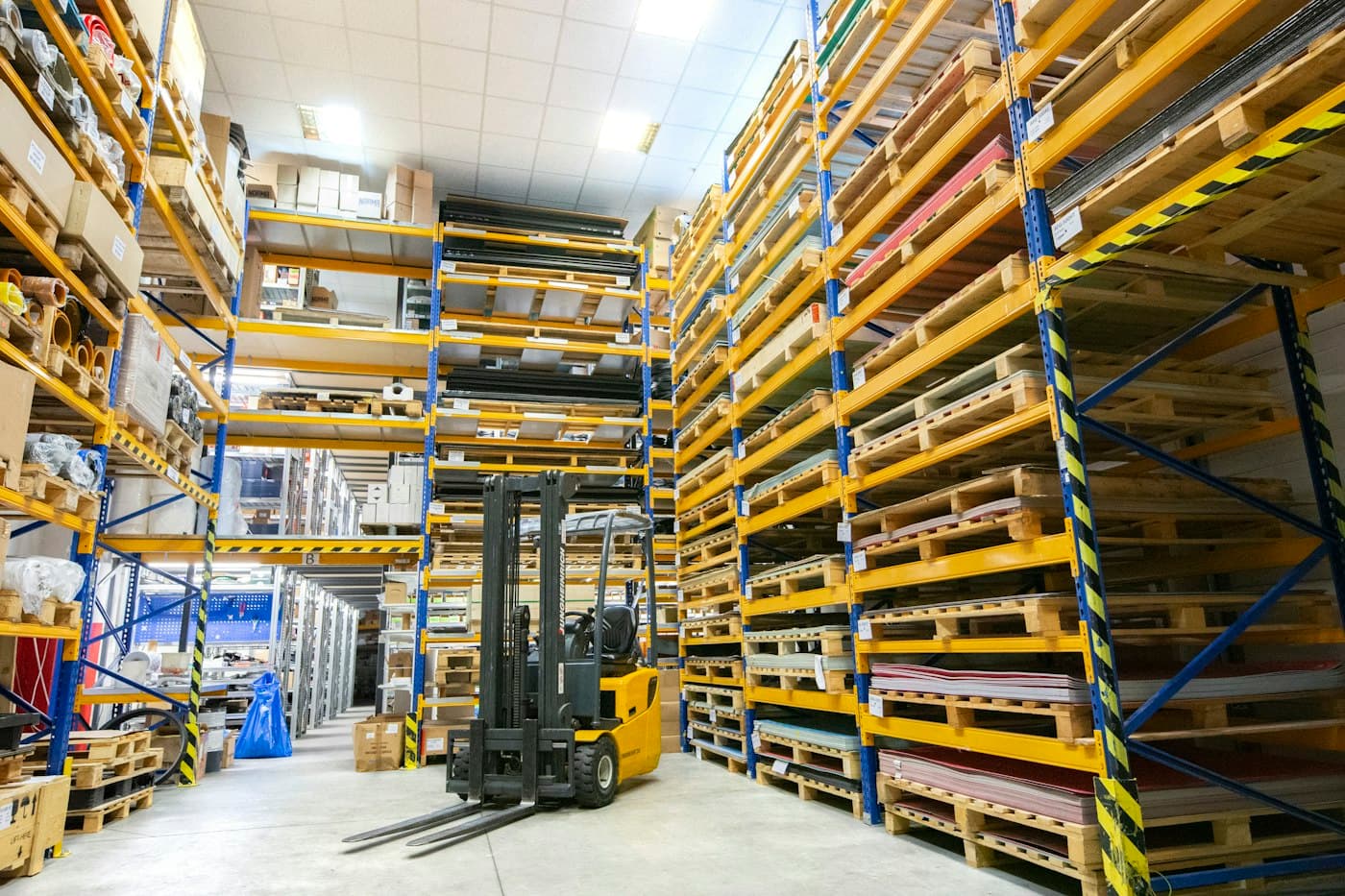
Most businesses grow into a patchwork of tools. A POS came with the shop, accounting software came with the accountant, stock lives in a spreadsheet, and customer details sit in phones. Each tool is fine on its own. The trouble is the gaps between them.
What an ERP is
An ERP (enterprise resource planning) system keeps sales, purchasing, stock, accounting, HR and reporting in one database. A sale recorded at the till is the same record the accountant sees and the same one that reduces stock.
The hidden cost of disconnected tools
- Double entry. Someone re-types sales into accounting and stock into a sheet.
- Late numbers. Managers see last month's position, not today's.
- Errors. Every manual copy is a chance to mistype.
- Fraud risk. Gaps between systems are where cash and stock go missing.
- Staff time. Reconciliation eats hours that could go to customers.
When the patchwork is fine
If you have one outlet, a few hundred transactions a month and the owner does the books, separate tools can work. The cost of an ERP may not pay back yet.
When to move to an ERP
- You have more than one branch or warehouse.
- Stock counts regularly disagree with the system.
- Month-end close takes more than a few days.
- You need KRA eTIMS invoicing across several tills.
- You cannot answer "what is our margin on this product?" without a spreadsheet.
Choosing between off-the-shelf and custom
Off-the-shelf ERPs are quick to start but force your process into theirs. Fully custom builds fit exactly but cost more. A middle path is a modular ERP built for the local market, configured to your workflows, with custom modules only where your business is different.
Moving without chaos
Migrate in phases. Start with the items and customers lists, then sales and stock, then accounting. Run the old and new side by side for one period so staff trust the numbers before you switch off the old tools.
Frequently asked questions
What is the difference between ERP and separate business tools?
An ERP keeps sales, stock, purchasing, accounting and HR in one database, so a single transaction updates everything. Separate tools need manual re-entry between them.
When does a business need an ERP?
Usually when it has several branches or warehouses, stock and accounts stop agreeing, month-end takes days, or it needs consistent KRA eTIMS invoicing across many tills.
Want this working in your business?
Tell us where the time goes today and we will suggest the first system to build.